

1 Watch the shop, not the counter
The service loop pulls your eyes to the drink you are making. That is where the interface is, and it is where success or failure is measured. It is also the one place where nothing unexpected happens.
Unsettling events are environmental by design. Look up between orders and look around the room, because the game builds tension through atmosphere rather than through the task in front of you.
2 The VHS filter hides and reveals
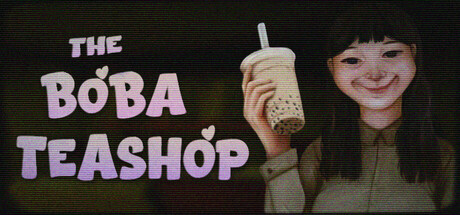
The creepy VHS filter is listed as a feature, and it does two jobs at once. It supplies a nostalgic, degraded texture that makes an ordinary shop feel like found footage, and it gives the game permission to be imprecise.
Practically, that means detail at the edge of the frame is genuinely ambiguous. Something you half saw may have been there or may have been noise, and the game is comfortable leaving you unable to tell.
Turning up the brightness to defeat this misses the point. The uncertainty is the mechanic, not an obstacle to seeing the content.
3 Reading the visions
The central question the game poses is whether the visions and sounds are in Risa head or whether something is haunting the place. It is asked directly on the store page, which tells you it is meant to stay open rather than to be solved early.
Given the setup, both readings are supported by the fiction. Risa has left a corporate career and staked everything on a dream, which is exactly the situation in which a person might see things. The shop is also an old space with its own history.
The useful approach is to hold both readings at once rather than deciding early. The story is described as Risa journey and personal growth, so what the visions mean for her matters more than what they technically are.
4 Customers as characters
The game promises a variety of customers, and in a story driven shop game the people who come through the door are the cast rather than the workload.
| Type | Worth doing |
|---|---|
| Ordinary | Serve quickly. They set your sense of normal |
| Demanding | Hear the whole request before touching anything |
| Messy | Clean up. A deteriorating shop changes the mood |
| Unusual | Look at them properly. That is why they are there |
The last row is the one people skip. In a game this short, a customer who behaves oddly is not filler.
5 Five achievements, one playthrough
There are five achievements, which is a strong hint about the shape of the game. This is a compact, authored experience rather than a systems toy you return to for months.
Plan for one attentive playthrough rather than for optimisation. Since the game also tracks stats and saves to Steam Cloud, you can stop between shifts without losing your place, which suits playing it in short sittings.
At USD 3.99 with a free demo and a one gigabyte install, the calculation is unusually simple. If the demo unsettles you in a way you enjoy, the full game is a small commitment.
6 Streaming it
The developer states on the store page that you are free to create content from the game and monetise the gameplay by any means, with no other restrictions. That is clearer permission than most games give.
It also suits the format. A short cozy horror game with a service loop and sudden scares is close to ideal for an audience, because viewers can follow what should happen and therefore feel the deviation as sharply as the player does.
Look around the room between orders, because the game puts its unsettling events in the environment rather than at the counter. Let the VHS filter keep things ambiguous instead of fighting it, and hold both readings of the visions open rather than deciding early. Treat unusual customers as cast members, plan for one attentive playthrough rather than optimisation, and take advantage of the explicit permission to stream and monetise.
Comment
No comments yet. Be the first to post one.