

1 Play your first run honestly
The endings branch on dialogue, and the two poles named on the store page are seeing the point of view of the hero, or continuing to rule as the Queen Everlasting. Both are real options, and neither is presented as the correct one.
2 Then play the other one deliberately
Because the whole game fits in one sitting, a second run costs very little. That is unusual among games with multiple endings, where replaying often means hours of repeated content.
| Run | Approach |
|---|---|
| First | Answer as yourself, without thinking about outcomes |
| Second | Deliberately take the position you rejected, and see whether it holds up |
| Optional third | Change the voice language. Fourteen are fully voiced and the delivery differs |
The second run is where a story about perspective earns its subject matter. You already know what the other side is, and playing against your own instinct is the closest a game can get to making that argument directly.
3 Eight achievements as a map
Eight is a small, deliberate list. On a short game with branching dialogue, a list that size is almost always a guide to the branches rather than a set of challenges.
Use it after your first playthrough rather than before. Achievement names on a story game are a common source of accidental spoilers, and this is not a game that survives knowing where it goes.
4 What to listen for
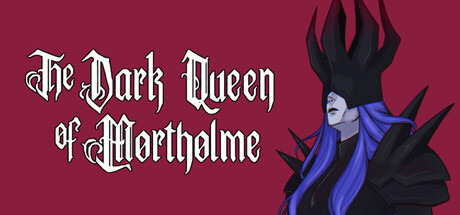
The store lists a haunting score as one of four named features, alongside handcrafted pixel art described as designed for game feel. In a fixed screen game those two carry most of the atmosphere.
5 The second person trick
Almost every game trains you to be the one who retries after dying. Here you occupy the position that has always been on the other side of that loop, and the game is counting on your familiarity with it.
Notice when you start finding the hero annoying. That reaction is manufactured, it is the same persistence you have shown in every other game you have played, and recognising the reversal is most of what the premise was built to produce.
6 Short games and value
Five dollars for a single sitting will always look poor next to a large game on a per hour basis, and per hour is a bad measure for this format.
| What you get | Detail |
|---|---|
| Full voice acting | In all fourteen supported languages, at USD 4.99 |
| Multiple endings | Reachable in a second short run rather than a second campaign |
| A complete idea | Nothing padded to justify a larger price |
7 Mistakes worth avoiding
| Mistake | Better approach |
|---|---|
| Reading the achievement list first | Eight entries on a branching story game will tell you where it goes |
| Splitting it across several nights | One sitting. The developer designed it that way for a reason |
| Answering dialogue tactically | Answer honestly first, then deliberately on the second run |
| Treating the fight as a difficulty curve | You are unrivalled by premise. The arsenal evolves with the story |
| Watching someone else play it | At five dollars, buying it unspoiled is cheaper than losing the first reading |
Answer the dialogue honestly on your first run, then replay deliberately taking the position you rejected, which costs almost nothing in a single sitting game. Save the eight achievements for afterwards, since on a branching story they map the endings and will spoil them. Use headphones for the fully voiced dialogue and the score, and watch for the moment the hero starts to annoy you, because that reaction is the reversal the whole premise was built to create. Judge the five dollar price by what it contains rather than by hours.
Comment
No comments yet. Be the first to post one.