
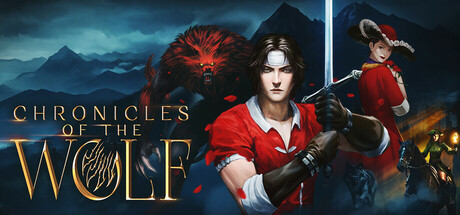

1 Every ability is a list of old rooms
Abilities are described as game changing and as the means of forging a path through the world. The mistake is to receive one, use it on the obstacle in front of you, and carry on forward.
A better response is to stop for a moment and ask which of your earlier bookmarks it answers. Returning while you still remember why an obstacle mattered is far cheaper than rediscovering your own reasoning later.
Old regions revisited with new abilities are also where the weapons and secrets you skipped are waiting.
2 Weapons are answers, not upgrades
Collecting powerful weapons is listed as part of the loop, and in a game with varied enemies across castles, forests and ruins those weapons will not be strictly ranked.
| Judge a weapon by | Why it matters more than damage |
|---|---|
| Reach | Decides whether you can hit from outside enemy range |
| Recovery time | A slow swing you cannot cancel is how fast enemies punish you |
| Arc or angle | Determines whether you can answer enemies above or below you |
In practice this means keeping a fast short weapon and a slow long one rather than always carrying whichever has the biggest number, and swapping by region rather than by tier.
3 How to approach a brutal boss
The developers say bosses will push your skills to the limit. In a side view action game that almost always means fixed attack sequences delivered quickly, which is good news: fixed sequences can be learned.
The fourth step is the one people skip. In a Metroidvania, leaving a fight to come back stronger is a legitimate strategy rather than a retreat.
4 A checklist for when the hunt stalls
Interconnected worlds produce a specific kind of stuck, where you know the map but not what to do next. Work through these in order.
First, check your bookmark list. Second, revisit the last person who spoke to you, since talking to locals is part of the design and their lines change with progress. Third, re examine anything that was closed rather than unreachable, because that is a puzzle you can already solve. Fourth, sweep the most recently unlocked region again with fresh eyes.
Only after all four is it worth looking anything up. The exploration is a large part of what a Metroidvania is selling, and spending it on a search engine is spending the game.
5 Reading a world built on a real legend
The Beast of Gevaudan is a historical case, and the developers cite deep historical inspiration rather than pure invention. That has a practical effect on how the world reads.
Locations, tools and the language of the Rose Cross Order are drawn from a period rather than from a fantasy template, so details that look like flavour are often consistent enough to be informative. Paying attention to what a village is afraid of tends to tell you what is nearby.
The presentation supports this too, with illustrated cutscenes, full narration and a soundtrack written for atmosphere rather than for action. Playing with sound on is genuinely part of the experience here.
Treat each new ability as a list of rooms to revisit while you still remember why they mattered. Judge weapons by reach, recovery and angle rather than by damage, and carry one fast and one long option. Spend a first boss attempt watching, find the move with the longest recovery, and if three attempts fail, go and find equipment instead. When the hunt stalls, check bookmarks, revisit people, retry closed puzzles and sweep the newest region before looking anything up.
Comment
No comments yet. Be the first to post one.