

1 Momentum is the health bar
The game is built around using momentum to parkour through hazardous dungeons. Everything you can do well depends on already moving, which means the single most common beginner error is stopping to think.
In a slower shooter, pausing behind cover is a way to recover. Here it strips away the thing that keeps you alive. A player at full speed is harder to hit and can reach places a stationary player cannot, so the safest state is fast.
Practically this means committing to a direction and correcting mid air rather than approaching each room as a fresh puzzle to solve from a standstill.
2 Blood is fuel, so fight forward
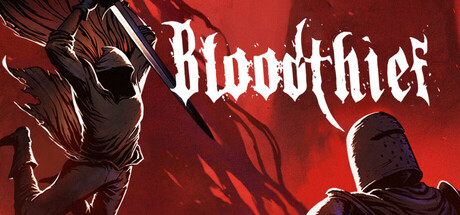
You play a vampire, and the blood of undead foes fuels your abilities and propels you to insane speeds. Enemies are therefore resources placed along the route, not obstacles blocking it.
The developer describes movement and combat as deeply intertwined, a dance of skill and carnage. Reading that literally is the fastest way to improve: plan attacks as part of a route rather than as pauses within it.
3 Learn one level properly
There are 30 main levels plus secret and extra ones, and the temptation is to keep moving forward until you hit a wall. In a speedrunning game that is the slow way to improve.
Pick an early level you can already finish and run it several times, trying a different route each time. Because the game supports leaderboards and lets you race the ghost of a friend or anyone in the world, you get direct feedback on whether a change actually helped.
The skills you build doing that transfer to every later level. The knowledge of one specific crypt does not, which is why the repetition needs to be deliberate rather than accidental.
4 Branching paths and shortcuts
Levels are described as full of branching paths, shortcuts and secrets, rewarding those with the skill and creativity to pull them off. That phrasing tells you something important: the intended route is not the only route.
When a section feels like it is fighting you, the answer is often that you are on the path the designer expected a beginner to take. Looking upward, and looking behind you at the start of a room, finds more shortcuts than raw execution does.
With over 100 secrets in the game, exploration is not a side activity. Finding the perfect path through a labyrinthine dungeon is stated as the goal, and perfect paths are usually made of shortcuts.
5 Weapons are playstyles
There are 20 collectable weapons and each has unique perks. In a game where movement and combat are the same system, a perk usually changes how you travel as much as how you kill.
| When choosing a weapon | Ask |
|---|---|
| Reach | Can I hit without slowing to line up |
| Speed | Does a swing cost me momentum |
| Perk | Does it help me travel, or only help me fight |
The third row usually decides it. A weapon that raises damage but interrupts your flow is worse in this game than one that is weaker and lets you keep going.
6 When a level feels impossible
The developer warns that the game will push you to your limits, and that progress comes from learning deep and intertwined mechanics. A wall is therefore usually a missing technique rather than a missing skill level.
Three checks resolve most of them. Are you arriving at the hard section already fast, or slowing down before it. Are you using enemies on the approach as fuel. And is there a route above or beside the one you keep taking.
If none of that helps, switching weapons is a legitimate answer rather than an admission of defeat, since perks change what a section demands.
Keep moving, because momentum is what keeps you alive and reaches places a standing player cannot. Cut through enemies rather than around them, since their blood is the fuel the next section assumes you have. Repeat one early level with different routes to build transferable skill, look for the shortcuts the level layout hides, and pick weapons by whether their perks help you travel rather than by raw damage.
Comment
No comments yet. Be the first to post one.