
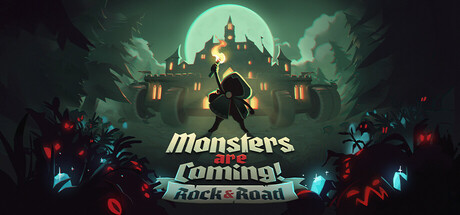

Early runs in Monsters are Coming! Rock & Road tend to fail the same way: the hero is having a great time out in the wilderness while the city takes a beating. This guide is about keeping those two halves of the game in balance. It uses the store page, the achievement list and reviews from CGMagazine and LadiesGamers, with one community tips guide marked where used.
1 The city is the character
The run ends when the city is destroyed, not when the hero dies. LadiesGamers notes that the city keeps rolling south and cannot be stopped. Everything you do as the hero should come back to one question: is the city safer because of it?
2 Placing buildings
Buildings sit on a grid around the town hall, and CGMagazine notes that placing them away from the main structure creates walkways. LadiesGamers explains why placement is a real decision rather than decoration.
A community tips guide adds a layout point: a city built wide runs into far more obstacles on the road than one built long and compact, so keep buildings tight around the town hall. The achievement list backs up the idea that shape matters, with rewards for shrinking twenty streets into one and for breaking 250 rocks with a Renegade Tower.
3 Keep all three resources moving
The store gives each resource a job. Wood keeps the engines burning and makes towers more efficient, stone repairs and rebuilds, and gold expands the city. Running dry on any one of them hurts in a different way.
| Short on | What you will notice |
|---|---|
| Wood | Towers falling behind the waves |
| Stone | Damage piling up with no way to repair |
| Gold | Nothing to spend at the next shelter |
The community tips guide also notes that clearing trees and rocks keeps the hero from getting boxed in by enemies, so harvesting doubles as crowd control.
4 Using the hero well
Controls are simple: the hero moves and attacks automatically. CGMagazine reports up to four weapons per run, each with upgrades to reach, speed and damage. The store encourages protecting the city even at the hero expense, and reviewers confirm the hero comes back after dying.
Remember the cost: CGMagazine reports that every hero death places a gravestone on the city grid. A sacrifice that saves the city is fine. Dying through carelessness slowly fills the space you need for towers.
5 Detours and side hordes
The store describes straying from the path for richer rewards, tackling side hordes for rarer ones, and exploring shelters for secrets, always with the warning to get back in time. Detours are how a run gets strong, but only when the city can defend itself while you are gone.
6 Shelters
Shelters are the checkpoints on each road. CGMagazine counts three per road and describes minigames, building purchases and healing there. The store says you buy new districts from the city shop and choose where to place them based on what the run needs. Arrive with gold saved and with a plan for which weakness the next district should fix.
7 Bosses and the road ahead
Monsters grow stronger the closer you get to the Ark, and the store warns of larger monsters waiting at the edges. The achievement list names four bosses: SpiderMama, BigBloatoad, the Cultists and BigTreeman. When you know one is ahead, top up the city with stone and make sure your towers are fed with wood before the fight rather than during it.
If a run ends short of the Ark, it still pays. The compasses you earn buy permanent upgrades, so spend them on whatever failed last time before trying again.
Treat the city as the character and check its health constantly. Cluster producers, place support buildings next to towers, merge duplicates and keep the layout compact. Keep wood, stone and gold all flowing, since each covers a different failure. Spend the hero to protect the city but avoid careless deaths that leave gravestones on the grid. Take detours only after a cleared wave, arrive at shelters with gold and a plan, and prepare stone and wood before bosses.
Comment
No comments yet. Be the first to post one.